Compassion and Dependability

Key Concepts
Key Concept #1 Humans are hardwired to connect due to our interpersonal neurobiology. As primates, we need connection as much as we need food.
Neurobiological Systems

Examples of interpersonal neurobiological systems:

  • Mirror neurons make it possible for us to connect with another person by enabling us to neurologically “soak in” the other person’s internal state, which allows us to simulate their state and imitate their behavior. Mirror neurons may serve as a foundation for compassion in humans.
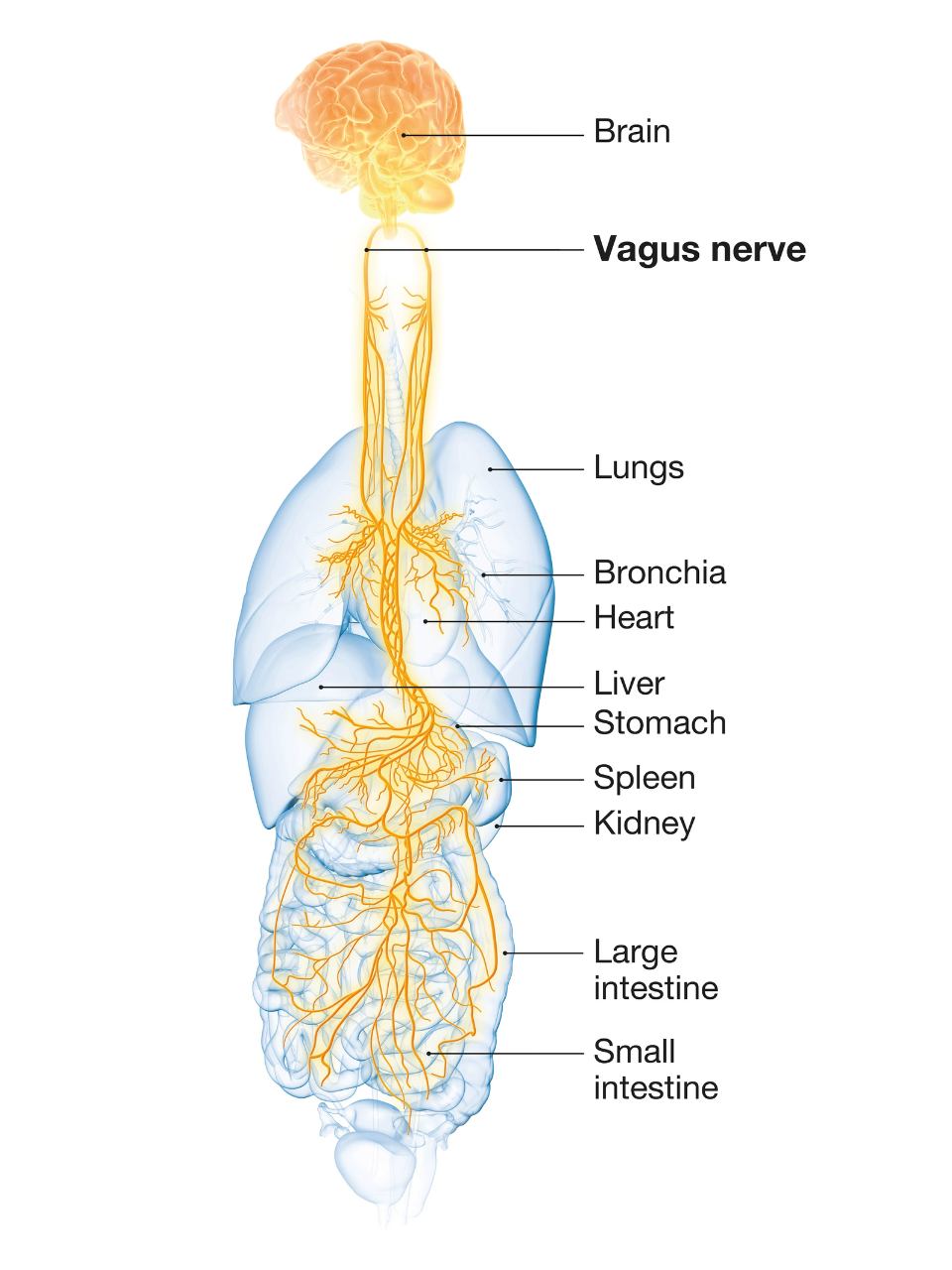
  • The vagus nerve (10th cranial nerve) has been called the “nerve of compassion.” The vagal nervous system runs from our brains down through various structures such as our vocal cords, lungs, and heart, and down to our gut. When we are feeling compassion/connection, the vagus nerve is activated, and it changes the tone and timbre of our voice. It slows our breathing and our heart rate. We can recognize the feeling of connection and compassion in our gut.
Key Concept #2 Caring and trustworthy relationships and interactions are healing.
  • We are hardwired to heal and become regulated within relationships. For example, through the vagus nerve, we are hardwired for attuned interactions (in which we feel seen, heard, and understood) to help us calm down when we are stressed out.
Key Concept #3 We are all hard-wired for co-regulation to help us move from a dysregulated to a regulated state.
  • Co-regulation is when one person uses their own composed, regulated neurophysiological state to help another person who is distressed reach a composed neurophysiological state.
  • In healthy circumstances, babies receive co-regulation from their caregivers when they are distressed, which in turn helps babies develop their own neurophysiological ability to self-regulate after distress.
  • When we are dysregulated, co-regulation gets us to a state of regulation faster than self-regulation on its own, for adults as well as children.
  • In order to provide co-regulation to others, we must be in a regulated state ourselves.
Key Concept #4 Trauma interferes with compassionate & dependable connection.
  • If a child’s caregiver is a source of trauma/pain/terror or is unavailable during trauma (e.g., child exposed to caregivers’ intimate partner violence), there may be no one to provide co-regulation during the child’s terror. As a result, the child may develop unhealthy ways to self-regulate (e.g., dissociation, self harm, aggression), which can derail healthy development and affect the child and their relationships into adulthood.
  • Consequently, trauma-impacted children may come to school lagging in healthy self-regulation skills.
Key Concept #5 Trauma-impacted people may at times enact fight, flight, freeze, or fawn behaviors in relationship with others, even when others are trying to help them.
  • When this happens, this is a fear response, not a “rude” or “oppositional” response.
Key Concept #6 The success of any social emotional or academic intervention is dependent upon building strong, positive relationships.
  • This is particularly true for students with self-regulation and/or attention difficulties.
Key Concept #7 Systems change most effectively moves at the speed of trust.
  • It is essential to establish and maintain caring and trustworthy relationships between leadership, staff, and other key stakeholders when working towards organizational improvement and transformation.
Individual and Relational Staff Practices
Key Practice #1 Build compassionate and dependable relationships among staff (including educators, support staff, and administrators).
  • Work towards having a 5:1 ratio of positive to negative interactions with colleagues.
  • Eat lunch with colleagues.
  • Regularly hold community building circles.
  • Consistently welcome and acknowledge staff throughout the school building.
Key Practice #2 Build compassionate and dependable relationships between staff and students.
  • Routinely learn one or two things about each of your students and use this information as points of connection.
  • Work towards having a 5:1 ratio of positive to negative interactions with students.
  • Eat lunch with students.
  • Regularly hold community building circles.
  • Consistently welcome and acknowledge students throughout the school building.
  • Include photos of students (with appropriate consent and/or student identified favorites) around the classroom and school to promote connection and a sense of belonging.
  • 23 Ways to Build and Maintain Classroom Relationships
  • Adult to Student Relationship Mapping Tool
Key Practice #3 Build compassionate and dependable relationships between staff and caregivers.
  • Regularly make positive phone calls to caregivers
  • Create school protocol that allows parents/caregivers to come to school to volunteer and/or observe in order to promote transparency and connection between home and school
Key Practice #4 Proactively provide co-regulation to others and access co-regulation from others (e.g., EARS).
Attunement
  • Use a self-regulated voice
  • Use neutral/supportive body language
  • Engage in interactions with others that are CAPPD
  • Utilize EARS tool
    • Empathize—Imagine yourself to be the person before you with all their history, pains, and joys
    • Ask Questions—that elicit more than a “yes” or “no” response
    • Rephrase—Restate what you heard the speaker say to their satisfaction even if you feel differently
    • Summarize—A condensed understanding of the most important issues stated by the speaker
  • Co-Regulation From Birth Through Young Adulthood: A Practice Brief
System-Level Policies, Routines, and Procedures
Systems #1 Establish systems and practices for cultivating a welcoming and connected school community.
  • Leadership consistently welcomes staff, students, and caregivers at the beginning and throughout the school year.
  • Embed community building opportunities for all members of the school community into the school culture.
  • Devote sufficient time to proactive classroom and school community building, starting with intensive community building at the beginning of the year.
  • Regularly celebrate birthdays, holidays that reflect diversity of school community, and accomplishments.
Systems #2 Maintain systems and practices that promote strong, positive relationships between leadership and staff, and among staff.
  • Hold staff retreats.
  • Schedule regular bonding activities (e.g. breaktime walks).
  • Maintain a sunshine committee that organizes staff community building activities and events.
  • Utilize buddy systems.
  • Hold regular community circles for staff.
  • Provide leadership opportunities for staff.
Systems #3 Maintain systems and practices that promote strong, positive relationships between and among staff and students.
  • Give positive greetings and goodbyes during arrival and dismissal.
  • Establish school-wide norms and shared language.
  • Use a systemic approach to ensure every student has at least two adults with whom they have a positive, caring, and trustworthy relationship.
    • Have leadership or culture and climate team go over the school roster together, identify which adults on campus have relationships with which students, identify students who don’t have a supportive adult, and create a plan to connect with those students.
  • Hold daily morning meetings.
  • Hold daily closing circles.
  • Provide leadership opportunities for students.
Systems #4 Maintain systems and practices that promote positive relationships with families.
  • Establish volunteer opportunities for caregivers.
  • Provide regular opportunities for caregivers to connect with site leaders and teachers (e.g. monthly “Principal tea-time chats”).
  • Host whole school, family-invited events (BBQ, potluck, hang out on the play yard) at beginning of the year, mid-year, and end-of-year.
  • Host monthly gatherings to engage caregivers.
  • Make regular positive phone calls home with incentives to promote staff participation.
  • Hold school-wide celebrations that reflect the diverse cultures of the school community.
  • Provide leadership opportunities for caregivers.
  • Host caregiver workshops, and include topics suggested by caregivers.
Systems #5 Provide ongoing professional development on school-wide restorative practices and consistently implement these practices to build, maintain, and repair relationships with others.
  • Use community circles.
    • Regular community circles in classrooms – moving from simple to deeper prompts
    • Regular community circles to strengthen relationships among staff (including leadership)
  • Use restorative communication strategies.
  • Use restorative conversations and/or circles for repairing harm.
    • Processes to repair relational ruptures among staff (including between leadership and staff)
      • Designated time to surface potential ruptures and to repair when needed
    • Processes to repair harm involving students
      • Team meetings to consider repair options for students
      • Include students and/or staff who were involved in incidents that may have ruptured relationships
      • Designated space for students to process conflict with one another in an effective manner
    • Use conflict and harm resolution processes as alternatives to suspension whenever possible.
      • Use re-entry circles to integrate students back into the school after a suspension.
    • Restorative Practices Resources
Reflection Questions
1

What are you already doing at your school to create and maintain a welcoming and connected school community?

2

What are you already doing at your school to create and maintain caring and trustworthy relationships?

3

Who are your co-regulators at school?

4

What are the things that your co-workers can say or do to help you feel cared for, seen, and heard?

Resources